
How Do Different Types of Addiction Impact the Brain, and Can It Fully Heal?
Table of Content
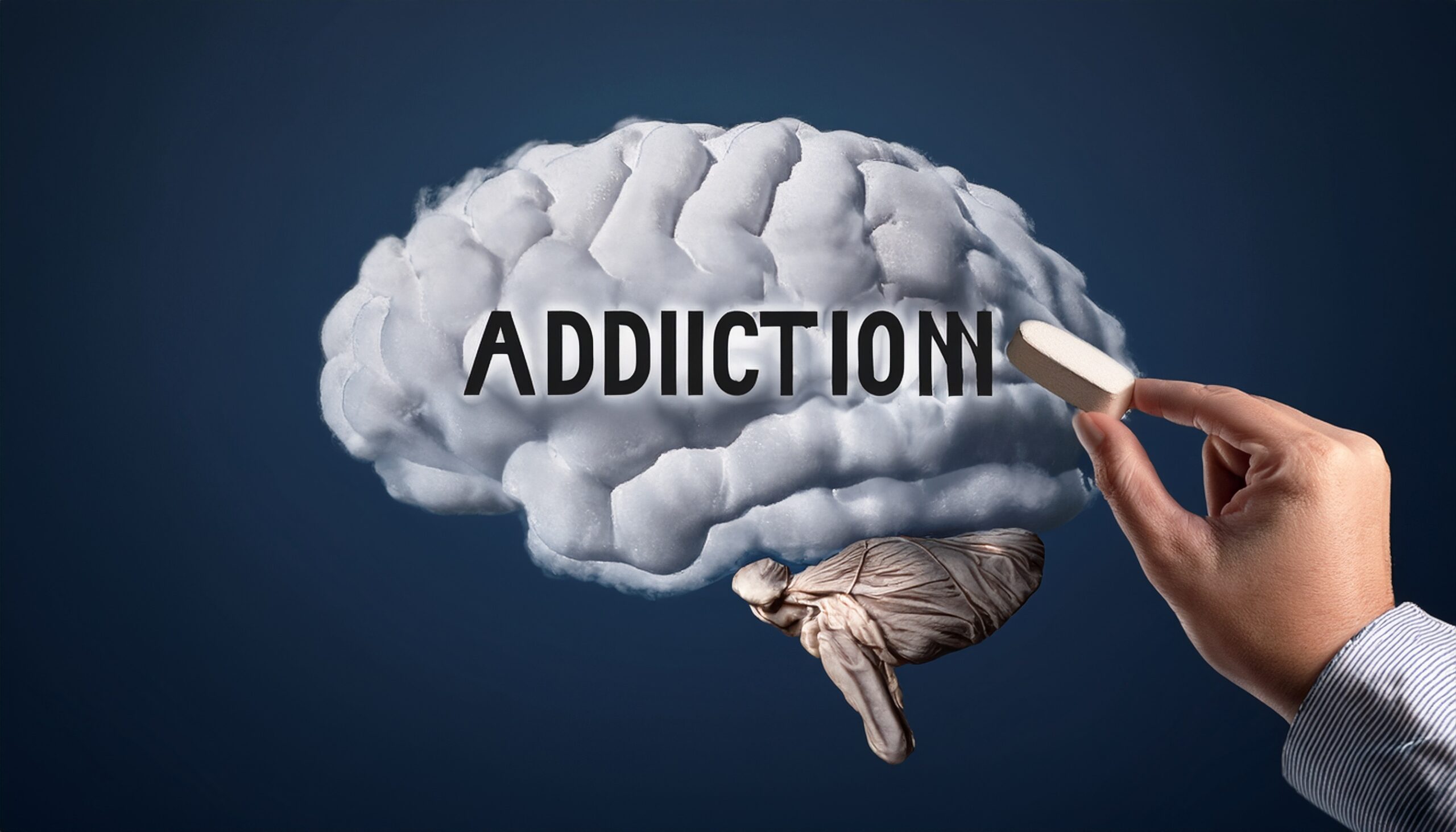
Neurochemical and psychological addiction are two categories of severe substance use disorders (SUDs). Although they’re distinct in many aspects, both create strong dependency and withdrawal conditions that impact the brain differently. Recovering from SUDs requires substantial healing that extends to brain function. Thanks to neuroplasticity and other impressive biological processes, many patients can fully heal and recover from SUDs, even when they’re underpinned by strong chemical dependence.
What Is Neurochemical Addiction?
All addictions are ultimately neurochemical. In the SUD context, however, some substances are more likely to cause what the American Society of Addiction Medicine describes as a profound physiological adaptation. Chemical dependence not only alters the brain’s reward system, motivation, and memory systems. It can also disrupt the delicate balance of neurochemical pathways. Liquor, opiates, and benzodiazepines are the substances that cause the strongest and most dangerous addictions, the type that can disrupt homeostasis and cause adverse physical conditions over time.
What Is Psychological Addiction?
While physical addiction centers on physiological adaptation, often through changes at the cellular level, psychological addiction focuses on behavior, emotional regulation, and environmental situations. It’s powerfully linked to obsessive and compulsive mindsets that cause intense desires to use substances to achieve specific emotional states. Beyond euphoria, patients who develop psychological addiction often seek relief from unsatisfactory realities. They also conflate physical and emotional rewards with stress relief.
Can Patients Suffer Both Chemical and Behavioral Addictions?
Yes, and this is often the case with SUDs involving liquor and opiates. For example, it’s rare for alcoholics and opioid addicts not to display any symptoms of altered behavior or psychological dependence even when they’re highly functional. SUD patients who get hooked on stimulants like cocaine, methamphetamines, and designer stimulants don’t go through life-threatening withdrawal episodes. However, their psychological addictions can feel very powerful and overwhelming. Many recovering from stimulant addictions often deal with paranoia, guilt, and other stressful emotions that flood them with cortisol, thus increasing health risks.
How Can the Brain Fully Heal from SUDs?
Recovery doesn’t always start with a focus on brain healing. Treatment plans for Southern California patients with severe alcoholism, for example, may call for detoxification before entering rehab or Solana Beach sober living housing. There’s a general assumption in SUD recovery that the brain can fully heal through neuroplasticity, which is the nervous system’s ability to reorganize its structure, functions, and neural connections. Neuroplasticity allows the brain to shape itself neurochemically. This is accomplished through responding to new behaviors, life changes, and reasoning tasks like cognitive behavioral therapy (CBT).
If you or someone you love needs help to stop using addictive substances, call on the compassionate team at Casa Pacifica. Along with providing coastal sober living Southern California residents and visitors rely on during recovery, we work with our individual residents to develop customized plans that integrate treatment, aftercare, and recovery support. Our services include intervention, sober companionship, coaching, and mentorship for those who are recovering from addiction to alcohol and other drugs. For more information about our addiction intervention services in Solana Beach, call us today.
Frequently Asked Questions
How does CBT help with dependence?
+
CBT treats addiction as a learned behavior you can unlearn through the wonders of neuroplasticity. The three core areas of CBT include clarifying errors in thinking, identifying triggers, and building robust coping skills.
Can alcoholics live without psychological addictions?
+
No, it’s virtually impossible. Many alcoholics can live highly functional lives under specific socioeconomic circumstances, but refusing to accept psychological issues is a denial mechanism.
Can a sober living home help with physical dependence?
+
After patients have gone through detoxification and are stable, their physiological recovery can continue at a sober living residence. They can continue to eat healthy, take prescription medications, and engage in therapeutic activities.
Are there medications for physical and psychological addictions?
+
Yes, many prescriptions can alleviate neurochemical and psychological dependence. They range from antidepressants to psychedelics and beyond.

Related Posts
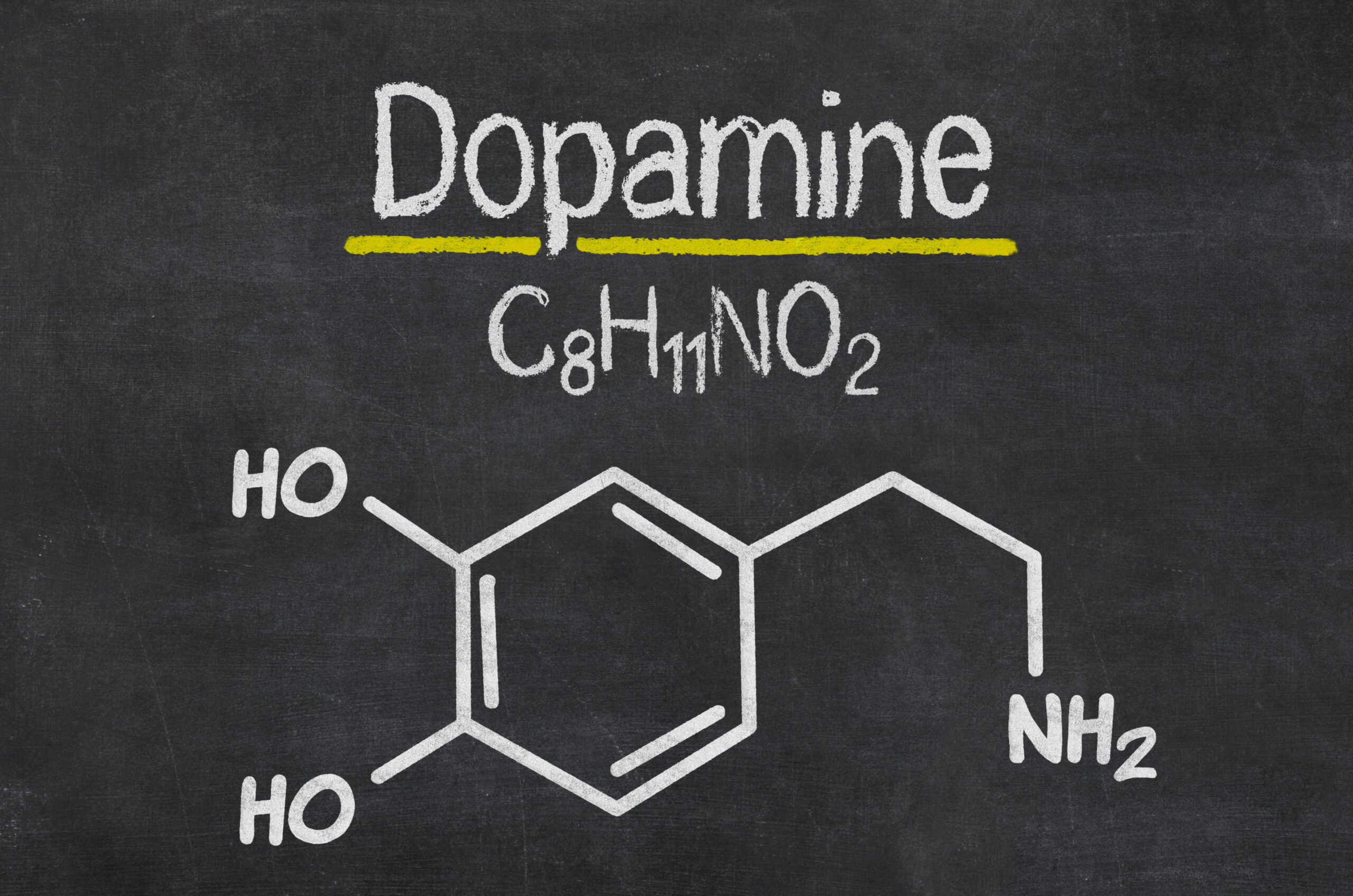
The Neuroscience of Cravings: How Dopamine Pathways Hijack the Brain and What It Takes to Rewire Them
When the brain is under the influence of psychoactive substances, dopamine pathways assume the behavior is rewarding, altering neural circuits in a cycle that requires

Intervention Pitfalls: Common Mistakes Families Make and How to Avoid Them
Blame and accusations, failing to set clear consequences, improvising logistics, and going it alone are the most common mistakes that lead to intervention disasters. Statistics
What Warning Signs Indicate Possible Opioid Abuse?
According to a 2024 guidance paper published by the Mayo Clinic, the four most commonly noticeable signs of opioid abuse are: Misusing prescription medications by

How Effective Are Professional Interventions for Addiction Recovery?
Actor Todd Bridges’ path to long-term sobriety has never been a quiet story—and during an August 2025 podcast hosted by American actor Patrick Labyorteaux, he