

Intervention Pitfalls: Common Mistakes Families Make and How to Avoid Them
Table of Content
Blame and accusations, failing to set clear consequences, improvising logistics, and going it alone are the most common mistakes that lead to intervention disasters. Statistics compiled by the Association of Intervention Specialists cite success rates of up to 80 percent for first meetings and 90 percent for subsequent attempts. One pitfall can derail all intervention efforts. For this reason, loved ones staging interventions should do everything possible to avoid making the four mistakes referenced in the questions below.
What Can Happen without a Professional Interventionist?
In the late 1980s, comedian Eddie Murphy somehow thought it would be a good idea to stage an intervention managed by disco-funk legend Rick James to save his good friend Todd Bridges. Unsurprisingly, the intervention consisted of James arriving at Bridges’s home, raiding his stash box, and leaving in a hurry. Whereas most professional interventions are successful, the opposite is true for DIY attempts.
Why Should Consequences be Clearly Stated and Enforced?
Generally, interventions “lack teeth” without firm boundaries. The concerned loved ones must outline explicit consequences for refusing treatment. If there are no ideas to this effect, interventionists can help with setting boundaries. Withholding financial support is a common consequence that can be easily enforced and managed. In some situations, the intervention model may allow the use of consequences as bargaining chips to impose structural pressure and foster accountability.
What Logistics May Be Involved?
When professional interventionists draft treatment plans, they present, recommend, and suggest logistical actions that often require family coordination. Good logistics ensure a seamless transition to the next stage of recovery. Selecting the treatment facility and securing admission come first. Then come transportation and essential items. Botching these details invites stress and gives patients a chance to hesitate. Depending on the assessment, a post-intervention plan in Southern California may involve entering an Encinitas sober living home after detoxification, thus requiring transportation.
How Do Interventionists Manage Blame and Accusations?
Interventionists provide a neutral and structured framework for emotional management. The goal is to shift the focus away from anger and personal attacks that can force patients into defensive isolation. Depending on family dynamics and personal goals, specialists guide loved ones to frame the discussion entirely around pure and honest love. There may be scripts to read and rehearsals to attend; some interventions require one-on-one coaching to ensure the meeting is objectively positive.
If you’re concerned about a loved one struggling with addiction, Casa Pacifica is here to help. Our experienced team understands the complexities of addiction and can guide you through every stage of the recovery process. Don’t wait until the situation becomes more critical—reach out today to learn more about our comprehensive addiction intervention services in Encinitas. Contact our compassionate professionals to discuss how we can support your family during this challenging time and help your loved one take the first steps toward lasting recovery
Frequently Asked Questions
Do all interventions involve going to rehab?
+
This is a misconception that emerged from the celebrity rehab reality television shows of the late 2000s. Each patient is different. Some may benefit from inpatient programs, while others may need detoxification first.
Are interventions covered by health insurance plans?
+
All health insurance plans on the Affordable Care Act marketplace must include mental health and substance use disorder services. However, private family interventions might not be covered.
What’s the most important aspect of interventions?
+
Showing love and understanding is the most important aspect, followed by offering and providing practical support. Reading letters at the meeting is often more effective when loved ones back up their words with practical offers—for example, caring for pets during rehab.
How common are second interventions?
+
Approximately half of first-meeting refusals result in second meetings, which have up to 90 percent success rates.

Related Posts
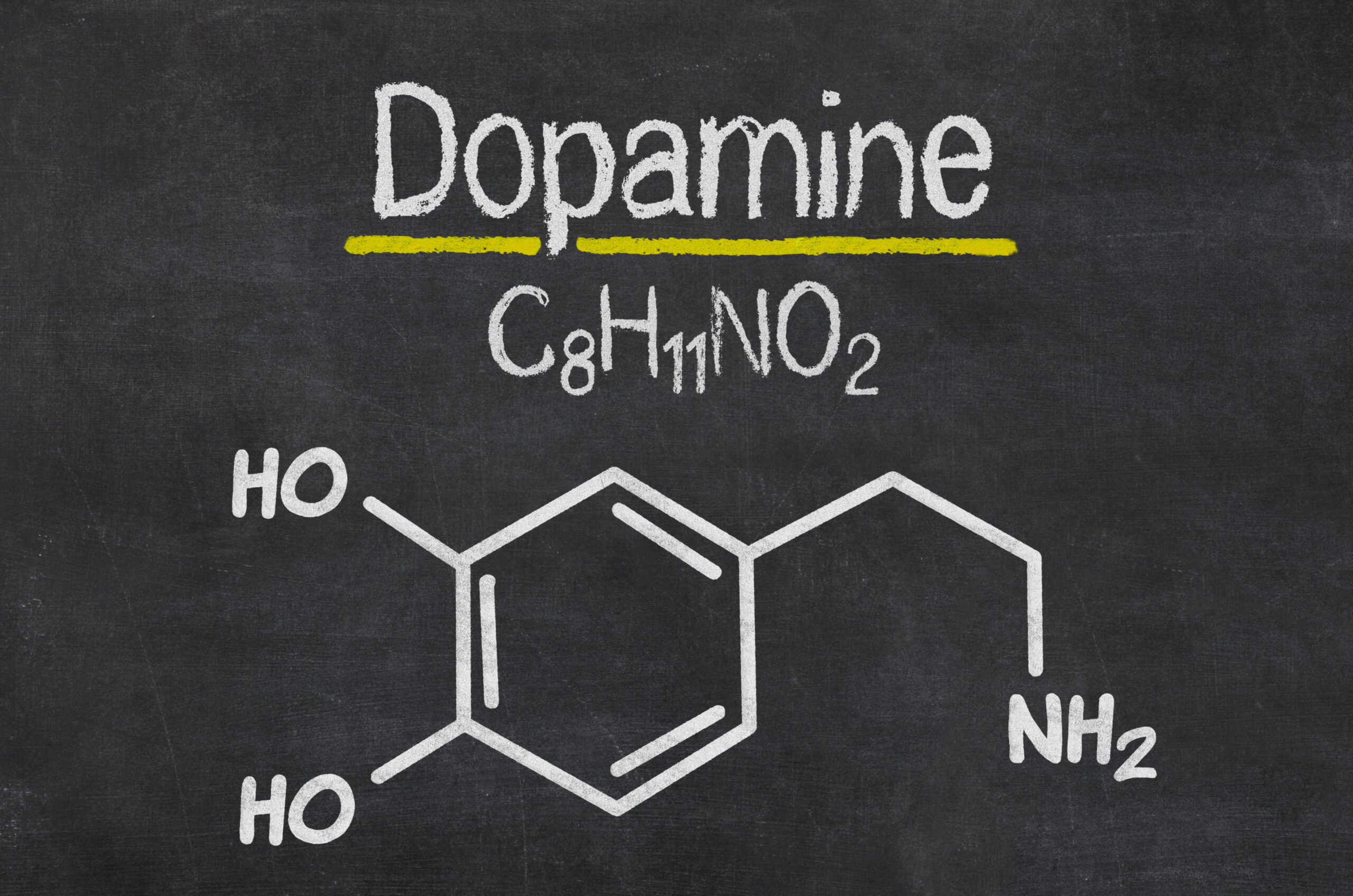
The Neuroscience of Cravings: How Dopamine Pathways Hijack the Brain and What It Takes to Rewire Them
When the brain is under the influence of psychoactive substances, dopamine pathways assume the behavior is rewarding, altering neural circuits in a cycle that requires
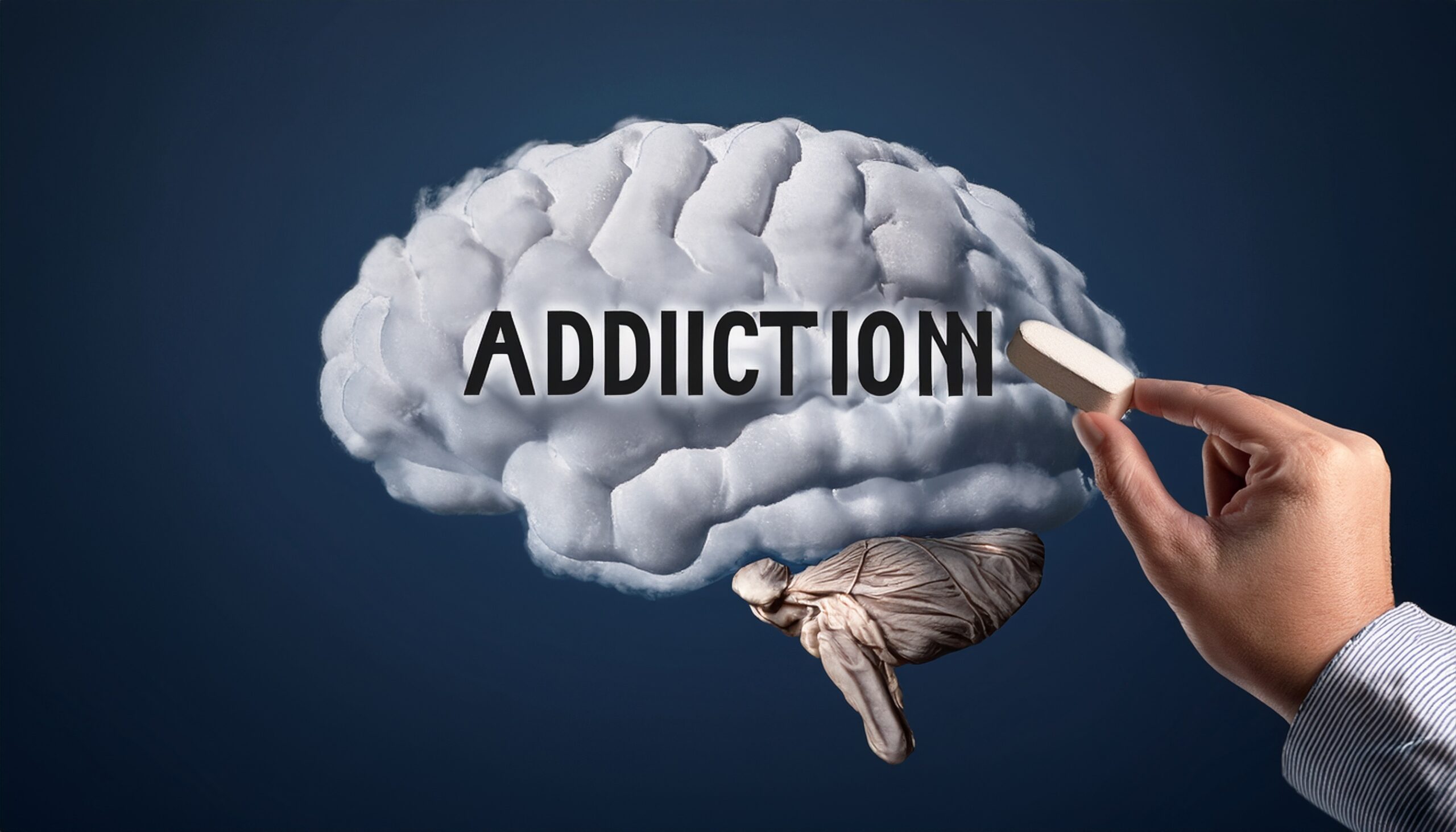
How Do Different Types of Addiction Impact the Brain, and Can It Fully Heal?
Neurochemical and psychological addiction are two categories of severe substance use disorders (SUDs). Although they’re distinct in many aspects, both create strong dependency and withdrawal

What Warning Signs Indicate Possible Opioid Abuse?
According to a 2024 guidance paper published by the Mayo Clinic, the four most commonly noticeable signs of opioid abuse are: Misusing prescription medications by

How Effective Are Professional Interventions for Addiction Recovery?
Actor Todd Bridges’ path to long-term sobriety has never been a quiet story—and during an August 2025 podcast hosted by American actor Patrick Labyorteaux, he