

What Warning Signs Indicate Possible Opioid Abuse?
Table of Content
According to a 2024 guidance paper published by the Mayo Clinic, the four most commonly noticeable signs of opioid abuse are:
- Misusing prescription medications by taking more than what the doctor ordered
- Frequent and intense mood swings that range from overly joyful moments to unfounded bursts of anger
- Focusing daily activities on how to get more pills or “a fix”
- Making poor decisions and taking unnecessary risks
The Centers for Disease Control and Prevention (CDC) estimates 2.6 percent of American adults live with opioid use disorders (OUD), mainly sparked by taking painkillers. Smoking and snorting street fentanyl have considerably surpassed injecting heroin as the primary routes of recreational administration. With this in mind, let’s explore some characteristics of each major sign.
What Are Common Misuse Patterns?
Taking higher doses than prescribed or using medications more frequently to reach euphoric peaks are OUD hallmarks. Crushing pills for smoking and snorting is an exploratory pattern that suggests users are more keenly interested in opioid “highs.” Shopping around for doctors to fill opioid prescriptions is often labeled as a principal “narc seeking” behavior by users experiencing the beginnings of chemical dependence.
How Do Opioid Mood Swings Happen?
Even when taking natural opium, the euphoria caused by OUD is artificial. The neurochemical imbalance resulting from the dopamine flood causes irritability, anxiety, and depression. This is how the brain reward system gets hijacked over time. It hinders the ability to regulate emotions. This is also when “the fix” comes into play, because OUD patients feel sedation is the only way to address their negative state. Eventually, a “Jekyll and Hyde” behavior develops, characterized by joyful states devolving into unfounded anger. This also marks the beginning of physiological and psychological cravings.
Why Does “The Fix” Take Center Stage?
When opioid receptors get hijacked by recreational abuse, they trick the brain into assigning priority to getting high. As tolerance builds, the euphoric reward disappears, leaving OUD patients to deal with intense emotional distress. For many opioid users, this process develops seamlessly, so they don’t rationalize the gradual loss of interest in basic needs like nutrition and social interaction. Paradoxically, getting “the fix” becomes more rewarding than getting high.
What Mechanism Results in Poor Decisions and Unnecessary Risks?
Opioids degrade the prefrontal cortex, which is the brain region responsible for weighing consequences and controlling impulses. The neurochemical shift creates an immediate need to satisfy opioid receptors, thus making poor decisions common among OUD patients.
If you or someone you love is displaying these signs, seeking professional help early is critical to preventing long-term harm. Opioid use disorder is a complex condition, but it is treatable with the right support and guidance. Casa Pacifica offers drug and alcohol intervention Solana Beach residents can rely on, providing personalized treatment plans that address both the physical and psychological dimensions of OUD. Casa Pacifica’s compassionate team is equipped to meet each patient where he is in his recovery journey. Reaching out is the first and most important step. Don’t wait until the signs become a crisis.
Frequently Asked Questions
How many Americans are addicted to opioids?
+
According to the 2024 National Survey on Drug Use and Health, approximately 4.8 million Americans live with OUD.
What is the opioid crisis?
+
The CDC handles it as a public health emergency involving a surge in addiction and overdose deaths. Although the situation has improved in recent years, opioid overdoses are claiming 80,000 American lives annually.
How is OUD treated?
+
Each patient is unique. Some must go through detoxification and modulation before entering rehabilitation or transitional treatment at a sober living home like Casa Pacifica, which provides Solana Beach sober living housing for men.
What are other signs of OUD?
+
Tremors or nausea during abstinence suggest cravings are morphing into withdrawal symptoms. Social isolation is another sign OUD is advancing

Related Posts
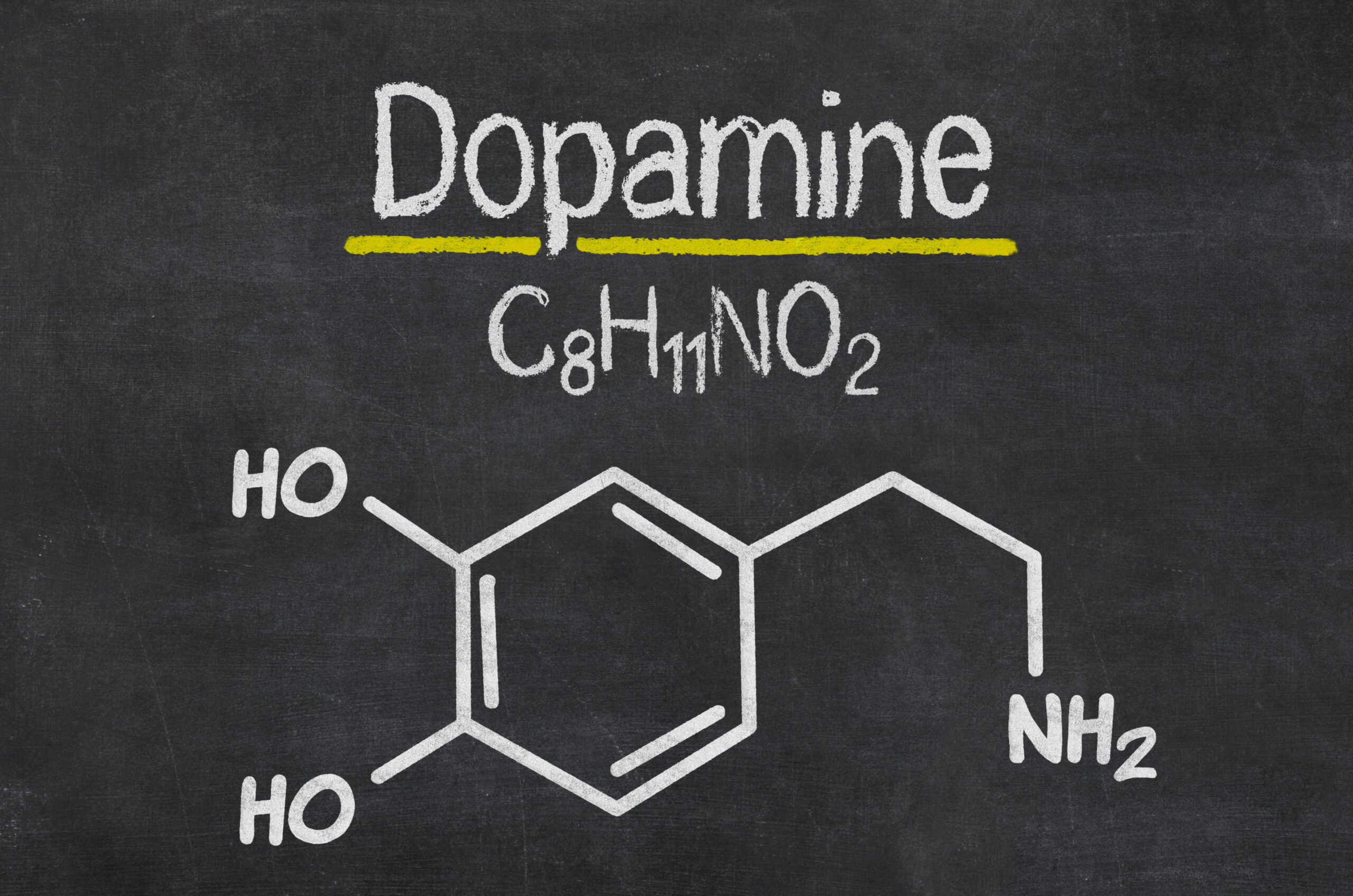
The Neuroscience of Cravings: How Dopamine Pathways Hijack the Brain and What It Takes to Rewire Them
When the brain is under the influence of psychoactive substances, dopamine pathways assume the behavior is rewarding, altering neural circuits in a cycle that requires

Intervention Pitfalls: Common Mistakes Families Make and How to Avoid Them
Blame and accusations, failing to set clear consequences, improvising logistics, and going it alone are the most common mistakes that lead to intervention disasters. Statistics
How Do Different Types of Addiction Impact the Brain, and Can It Fully Heal?
Neurochemical and psychological addiction are two categories of severe substance use disorders (SUDs). Although they’re distinct in many aspects, both create strong dependency and withdrawal

How Effective Are Professional Interventions for Addiction Recovery?
Actor Todd Bridges’ path to long-term sobriety has never been a quiet story—and during an August 2025 podcast hosted by American actor Patrick Labyorteaux, he