
The Neuroscience of Cravings: How Dopamine Pathways Hijack the Brain and What It Takes to Rewire Them
Table of Content
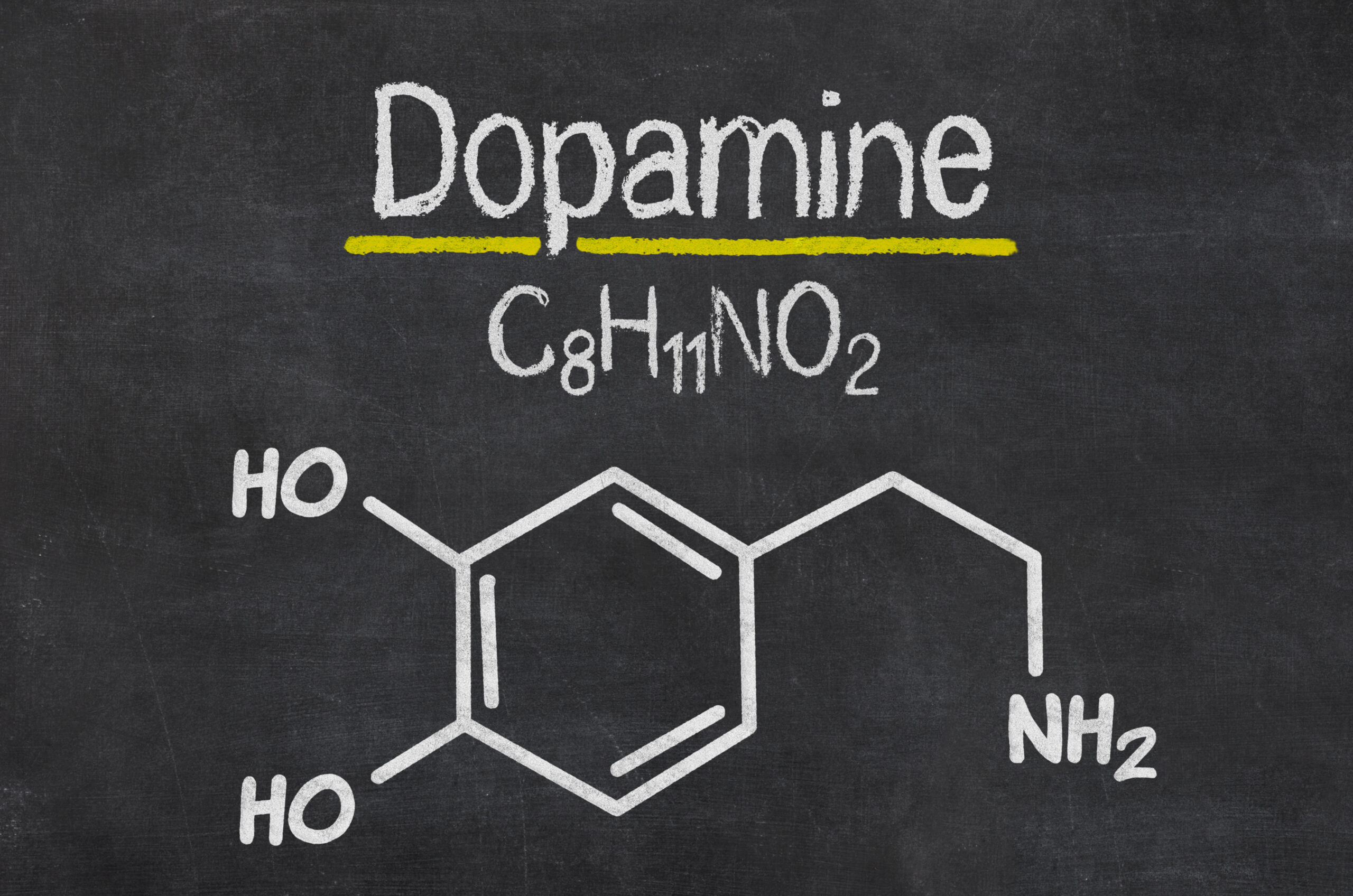
When the brain is under the influence of psychoactive substances, dopamine pathways assume the behavior is rewarding, altering neural circuits in a cycle that requires lifestyle changes and therapeutic intervention to effectively retrain neural connections. In substance use disorders (SUDs), repeated psychoactive effects trigger dopamine surges that reinforce the behavior, leaving a biological memory that results in intense cravings under many circumstances. Many addiction recovery specialists refer to this neurochemical mechanism as hijacking, and they also refer to treatment as rewiring the brain.
All SUDs Are Neurochemical
In neuroscience, some SUDs are often labeled physiological and others psychological. Alcoholism and opioid addictions often require detoxification, modulation, and medical interventions because of the neurochemical dependence they cause. Stimulant addictions, on the other hand, are often classified as psychological, yet they’re equally rooted in neurobiology. It’s important to understand that neurochemical adaptation to any psychoactive substance affects the brain reward system by modifying the stress and dopamine pathways.
What Rewiring Really Means
In neuromolecular logic, comparing the brain to electrical circuitry began in the mid-19th century with the rise of telegraph systems. By the time telephone exchanges and transistor electronics became global markets, neuroscientists used wiring diagram analogies to explain brain chemistry mechanisms. Dopamine pathways aren’t static or hardwired. They’re biochemical chains of neurotransmitters, hormones, and receptors that interact to relay messages, modulate signals, and shape information across the brain. In the SUD recovery context, rewiring refers to neuroplasticity, the brain’s ability to reorganize itself. When a reward pathway has been shaped by SUD, abstinence, sobriety, and therapy encourage dopamine pathways to restore balance and motivation.
Dopamine Isn’t Monolithic in SUD
The brain reward circuit isn’t limited to dopamine pathways. It interacts closely in a network with other key chemical messengers like glutamate, gamma-aminobutyric acid (GABA), opioid receptors, and serotonin. When the circuit is hijacked by mild to severe SUD, the network is thrown off its biological balance, thus negatively affecting mood, drive, and stress management systems. Rewiring the brain involves more than restoring dopamine pathways, alleviating withdrawal symptoms, and eliminating cravings.
What It Takes to Rewire the Brain
SUD treatment plans are formulated to rewire the brain reward circuit through medical, psychological, and lifestyle interventions to restore neurochemical balance through brain plasticity. Buprenorphine and naltrexone, for example, can be prescribed to opioid addicts and alcoholics to stabilize neurosignaling systems. Cognitive behavioral therapy (CBT) helps with modifying reward responses. Lifestyle modifications such as staying at a Solana Beach sober living home stimulate neurogenesis through the reintroduction of life structures and healthy routines.
If you or someone you love is ready to start rewiring the brain for lasting recovery, the right environment can make all the difference. At Casa Pacifica, our approach to men’s sober living and intervention recovery in Solana Beach gives residents the structure, accountability, and healthy daily routines that support the brain’s natural ability to heal. Surrounded by peers who share the same commitment to sobriety, men can rebuild their lives in a supportive, trigger-free setting. Contact Casa Pacifica today to learn how we can help you take the next step on your path to recovery.
Frequently Asked Questions
What is neuroplasticity?
+
This is the brain’s ability to adapt, reorganize, and grow new neural connections throughout life, thus making it vital to the SUD recovery process.
How does staying at a sober living home help with neurochemistry?
+
A structured and trigger-free environment that promotes stress reduction prevents the cortisol and dopamine spikes that characterize cravings.
Why do some alcoholics and opioid addicts need detoxification?
+
Chronic alcohol and opioid use alter brain chemistry and cause severe physical dependence that can endanger homeostasis, thus requiring medical intervention and supervision.
Can stimulants become physically addictive?
+
Not initially. However, prolonged high tolerance can cause intense cravings with physiological effects.

Related Posts

Intervention Pitfalls: Common Mistakes Families Make and How to Avoid Them
Blame and accusations, failing to set clear consequences, improvising logistics, and going it alone are the most common mistakes that lead to intervention disasters. Statistics
How Do Different Types of Addiction Impact the Brain, and Can It Fully Heal?
Neurochemical and psychological addiction are two categories of severe substance use disorders (SUDs). Although they’re distinct in many aspects, both create strong dependency and withdrawal
What Warning Signs Indicate Possible Opioid Abuse?
According to a 2024 guidance paper published by the Mayo Clinic, the four most commonly noticeable signs of opioid abuse are: Misusing prescription medications by

How Effective Are Professional Interventions for Addiction Recovery?
Actor Todd Bridges’ path to long-term sobriety has never been a quiet story—and during an August 2025 podcast hosted by American actor Patrick Labyorteaux, he