
Trauma and Relapse: Unpacking the Hidden Link Between Unresolved Pain and the Return to Substance Use
Table of Content
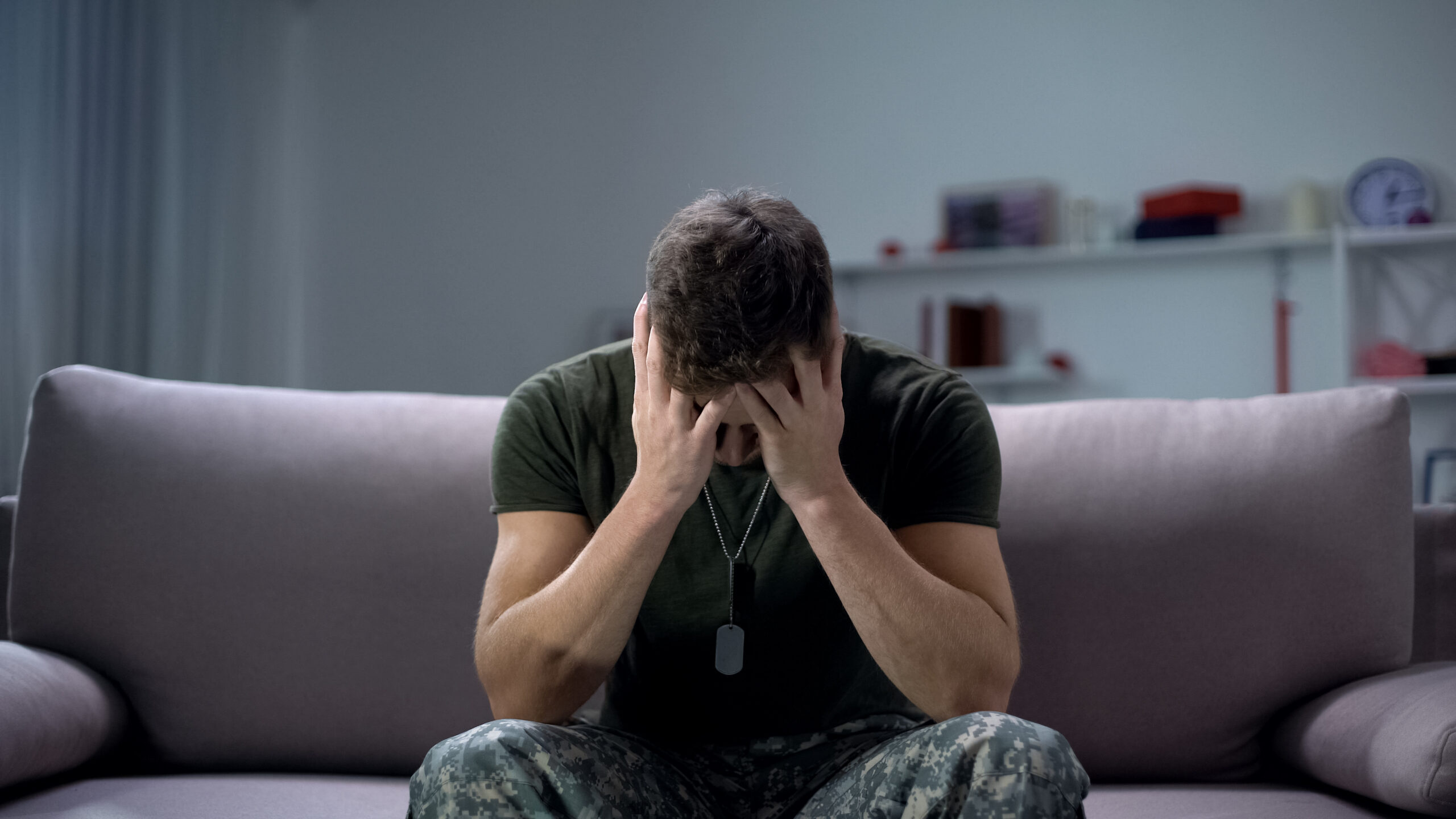
Chronic pain and post-traumatic stress disorder (PTSD) are often problematic in addiction recovery because they significantly increase relapse risks. Many patients under treatment for substance use disorder (SUD) live with emotional and physiological pain. Severe alcoholism, for example, can cause neuropathy, a condition that affects the nerves peripheral to the brain and spinal cord. Many opioid users fall into SUD after abusing prescription painkillers. Individuals who self-medicate to alleviate PTSD are more likely to develop SUDs, and their underlying conditions make them more vulnerable to relapse.
What Is Relapse?
When SUD patients in recovery return to active substance abuse, they typically slide back into previous addictive behaviors and patterns. It’s important to understand the difference between lapse and relapse. The former is a brief or single instance of substance use—it can be a temporary mistake rather than a treatment failure. Relapse is a sustained return to SUD. For individuals managing PTSD or chronic pain, a lapse can escalate into a full relapse if unaddressed.
What’s the Link between Unresolved Pain and SUD?
Unresolved pain, whether physiological or emotional, is a primary trigger that drives SUD patients to self-medicate. PTSD and chronic pain are often underlying issues that prompt recovering alcoholics and addicts to seek immediate relief from intense distress and discomfort. Psychoactive substances temporarily numb the pain and emotional trauma, thus offering a fast escape. The nexus between these conditions and SUD comprises pathological coping skills and neurochemical mechanisms that reshape brain chemistry. Depending on the substance, relief can turn into neurochemical or psychological dependence.
How Does Pain Cause Cravings and Withdrawal Episodes?
Pain and PTSD trigger cravings through hyperactivity in brain chemistry. Neurochemical stress reduces dopamine and creates urgent demands for relief. When pain and painful memories surge within people in recovery, their brains crave the fast and familiar numbness many substances provide. Over time, this neurochemical cycle transforms discomfort into powerful psychological cravings.
What about Tolerance and Discomfort?
Chronic pain and unresolved PTSD can lower tolerance for discomfort. This is a key aspect of treatment for many SUD patients because their nervous systems become more sensitive. As the body adjusts to living without substance abuse, underlying pain intensifies, thus compounding physiological withdrawal symptoms like nausea and tremors. This is when SUD feels more noxious because the urge to get drunk or high is overwhelming.
If you’re newly sober and you need help with avoiding relapse, call on the compassionate team at Casa Pacifica. Along with providing Solana Beach sober living housing, we work with our individual residents to develop customized plans that integrate treatment, aftercare, and recovery support. Our services include sober companionship, coaching, and mentorship for those who are recovering from addiction to alcohol and other drugs. For more information about our sober living facilities, call us today.
Frequently Asked Questions
How can I recover from SUD if I suffer from PTSD or chronic pain?
+
Integrated treatment, also known as dual-diagnosis care, is crucial. Non-opioid pain management can be effective for chronic pain. Combining specialized therapy and counseling helps many PTSD patients. Southern California families who are concerned about a loved one’s combined pain, PTSD, and addiction struggles may also benefit from consulting an intervention company Solana Beach residents trust to guide them toward integrated treatment.
Can behavioral counseling help?
+
Yes, it’s vital for dual-diagnosis SUD recovery. Cognitive behavioral therapy (CBT) can go a long way toward eliminating negative thought patterns. Learning and implementing healthy coping mechanisms is highly recommended to build emotional resilience and treat underlying trauma.
What is transitional treatment?
+
Many SUD patients can benefit from structured support before returning to daily life. Transitional treatment options like sober living homes offer structured and supportive drug-free environments conducive to recovery.
How can a sober living home program help me with SUD and PTSD?
+
Transitional treatment options provide healthy routines, peer support, accountability, and counseling that allow you to manage PTSD triggers without substance abuse.

Related Posts

The Family-Led Addiction Intervention Playbook: A Step-by-Step Guide to Approaching a Loved One with Compassion and Confidence
Family-led interventions can go a long way toward encouraging loved ones to take the first step toward recovery. When they’re professionally arranged and managed, interventions
Tailoring Addiction Interventions by Substance: Why Opioid, Alcohol, and Stimulant Interventions Each Require a Different Strategy
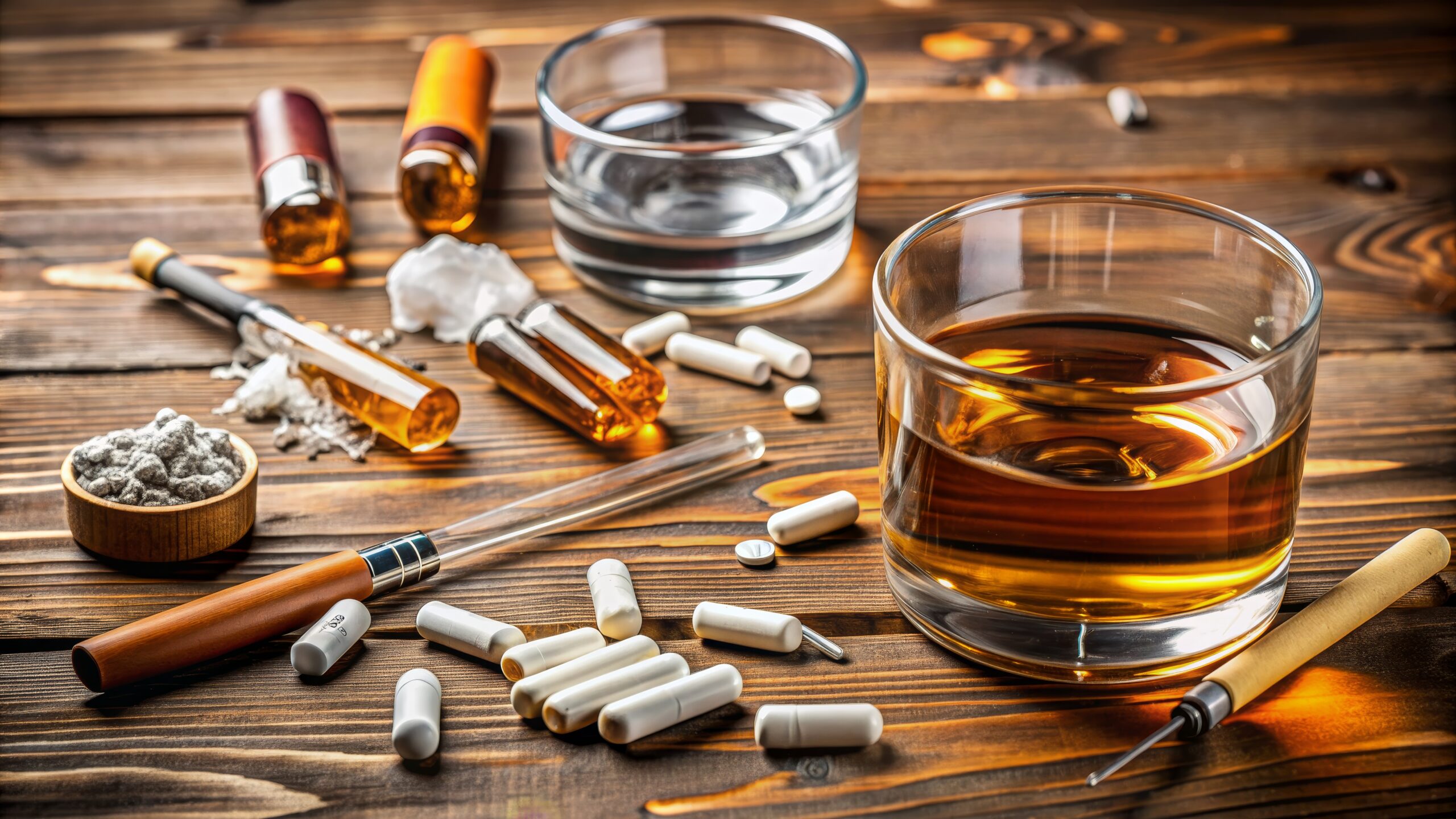
Interventions to treat addiction require distinct strategies because each substance targets different neurochemical pathways, creating unique physical risks, behaviors, and medical treatment needs. From a

Beyond Detox: Exploring Holistic Approaches to Long-Term Addiction Recovery
Detoxification is a clinical intervention ordered by healthcare professionals to clear toxins from patients who have developed neurochemical dependency. It’s designed to safely manage the

Intervening with Compassion: How Motivational Interventions Transform Addiction Recovery Journeys
In addiction recovery and treatment, motivational interventions transform the focus from external pressure to internal desire, thus empowering individuals to concentrate on the healing process.