
A Comprehensive Breakdown of Behavioral Therapies in Addiction Treatment
Table of Content
After clinical interventions like detoxification and medicated stabilization, addiction treatment shifts into rehabilitation and behavioral therapies for “rewiring the brain.” Substance use disorder (SUD) can be effectively managed through various evidence-based techniques, including cognitive behavioral therapy (CBT), dialectical behavior therapy (DBT), and contingency management. Understanding how these techniques work can go a long way toward a successful recovery journey.
What Is CBT?
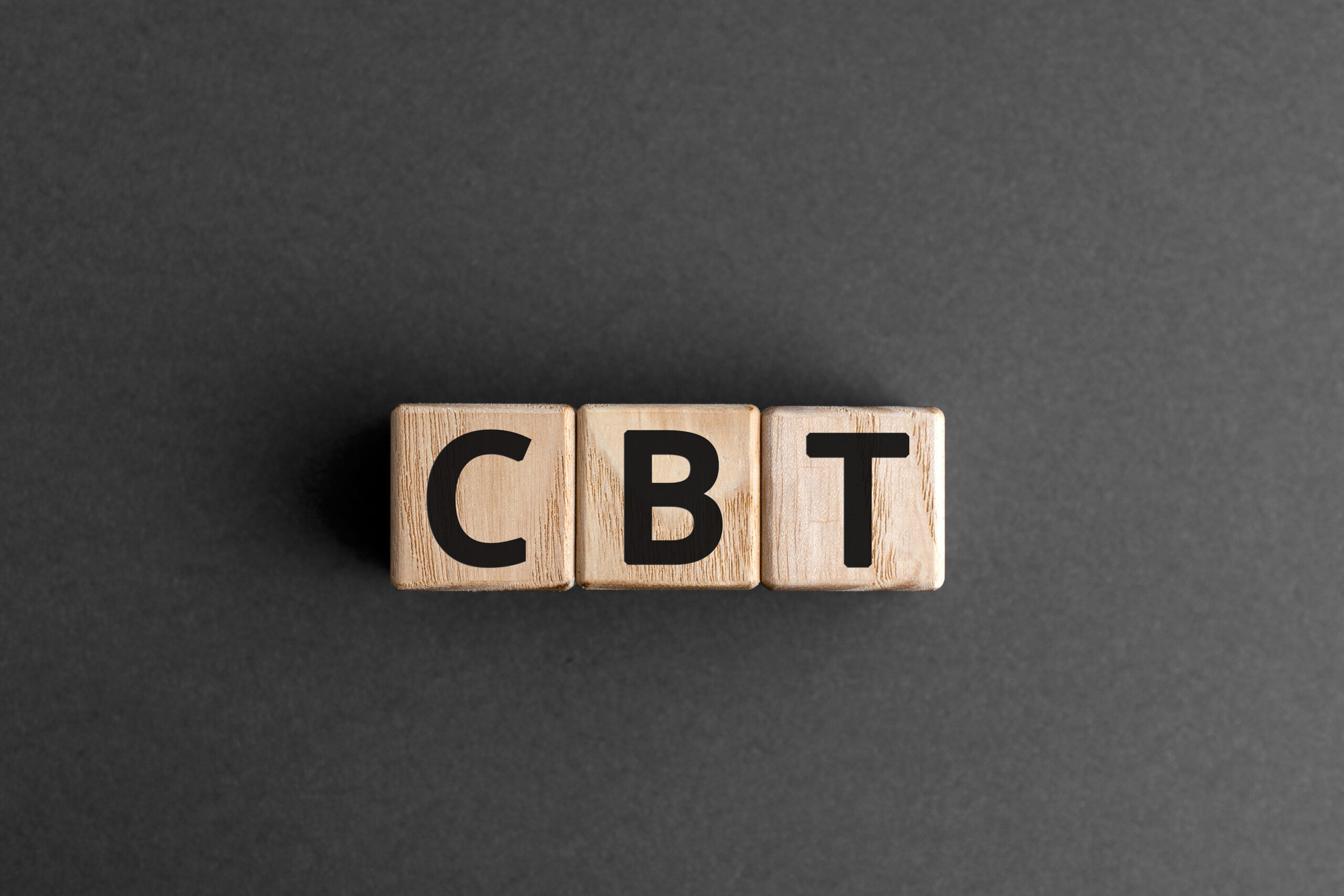
As its name suggests, CBT focuses on taking advantage of critical thinking to focus on three core behavioral principles: recognizing triggers, correcting errors in thinking, and learning practical skills to resist cravings and avoid relapse. CBT actively engages SUD patients by making them understand, evaluate, and reshape their reactions. Then it empowers them to consciously choose intentional responses until they become learned behaviors. Classical conditioning is at the heart of CBT because it encourages reinforcing positive behaviors like combining introspection and meditation with yoga exercises instead of drinking or getting high.
How Does DBT Work?
Developed in the 1990s as part of a research project into CBT and borderline personality disorder, DBT addresses intense emotions and destructive behaviors as patients develop coping mechanisms. The primary DBT concept rests upon balancing acceptance and change, two cognitive processes that are practically opposite. DBT is often recommended to patients diagnosed with severe SUD and underlying mental health conditions that can make recovery difficult. This technique is more complex than CBT. It advocates complete abstinence, recognizes addiction mindsets, and promotes radical lifestyle changes conducive to recovery.
What Is Contingency Management (CM)?
The goal of CM techniques is to help SUD patients develop positive mindsets for recovery through positive reinforcement. Largely based on pedagogical learning, CM provides patients with tangible rewards when they achieve verifiable recovery milestones. CM techniques have been practiced in the recovery treatment context since the early days of the Alcoholics Anonymous fellowship, which celebrates milestones with sobriety chips and coins. In residential and transitional recovery programs like sober living homes, CM techniques may include extended curfews, amenities, enhancements, prizes, and peer recognition. Many structured programs, including the sober living housing Solana Beach residents turn to during early recovery, use milestone-based rewards to reinforce healthy routines.
Which SUD Recovery Technique is More Effective?
In modern addiction recovery, CBT, DBT, and CM techniques are often intertwined unless the treatment plan states otherwise. No single technique is “more effective” than the others. The efficacy depends on the substances, SUD patient profile, and how recovery unfolds. Many treatment plans focus on CBT because it’s often effective for long-term recovery. CM is excellent for structured 12-step programs. DBT is for co-occurring disorders like anxiety and depression. Integrated treatment plans centered on CBT can include some DBT and CM elements for better results. For loved ones who aren’t yet ready to seek help, the interventions Solana Beach families arrange with professional guidance can be an important first step toward treatment.
Lasting recovery takes more than willpower. It takes the right tools, a supportive environment, and people who understand the journey. At Casa Pacifica, we help individuals build on the skills they learn in treatment so they can strengthen healthy habits, manage triggers, and move forward with confidence. Whether you’re looking for a structured place to continue your recovery or support for a loved one who’s struggling, our compassionate team is here to help you take the next step. Reach out to Casa Pacifica today to learn more about our programs and how we can support your recovery.
Frequently Asked Questions
Why is DBT more involved than other therapeutic techniques for SUD recovery?
+
Healthcare professionals recommend DBT for simultaneously treating more than one condition. If you adopted drinking to cope with depression, for example, DBT sessions would address both SUD and your mental state.
How do CBT, DBT, and CM work?
+
Neuroplasticity is the healing mechanism. By repeatedly replacing SUD behaviors with conscious coping strategies, the techniques rewire synaptic pathways and weaken old triggers.
Which technique is better for relapse prevention?
+
Every patient is different. However, long-term research indicates CM is particularly effective among cannabis and stimulant users. CBT is the gold standard for preventing relapse through coping skills, and DBT is better for overall healing.
When can I start with these techniques?
+
If you go through detoxification, your treatment plan will recommend CBT, CM, or DBT sessions right after you’re discharged.

Related Posts

The Family-Led Addiction Intervention Playbook: A Step-by-Step Guide to Approaching a Loved One with Compassion and Confidence
Family-led interventions can go a long way toward encouraging loved ones to take the first step toward recovery. When they’re professionally arranged and managed, interventions

Trauma and Relapse: Unpacking the Hidden Link Between Unresolved Pain and the Return to Substance Use
Chronic pain and post-traumatic stress disorder (PTSD) are often problematic in addiction recovery because they significantly increase relapse risks. Many patients under treatment for substance

Tailoring Addiction Interventions by Substance: Why Opioid, Alcohol, and Stimulant Interventions Each Require a Different Strategy
Interventions to treat addiction require distinct strategies because each substance targets different neurochemical pathways, creating unique physical risks, behaviors, and medical treatment needs. From a

Beyond Detox: Exploring Holistic Approaches to Long-Term Addiction Recovery
Detoxification is a clinical intervention ordered by healthcare professionals to clear toxins from patients who have developed neurochemical dependency. It’s designed to safely manage the