

Top Physical Activities to Support Addiction Recovery
Table of Content
In November 2018, Outside magazine profiled a gym in Denver where recovering alcoholics and drug addicts enjoyed working out in a dedicated space. The Phoenix was founded in 2006 by Scott Strode, a triathlete who succumbed to a liquor and cocaine addiction. These days, The Phoenix is a national organization that promotes physical activity and fitness as integral aspects of a holistic approach to recovery. Exercising and pursuing fitness goals complement other aspects of addiction recovery, including health, social interaction, and positive life skills. With this in mind, let’s review some physical activities you can get into as part of your recovery journey.
Yoga
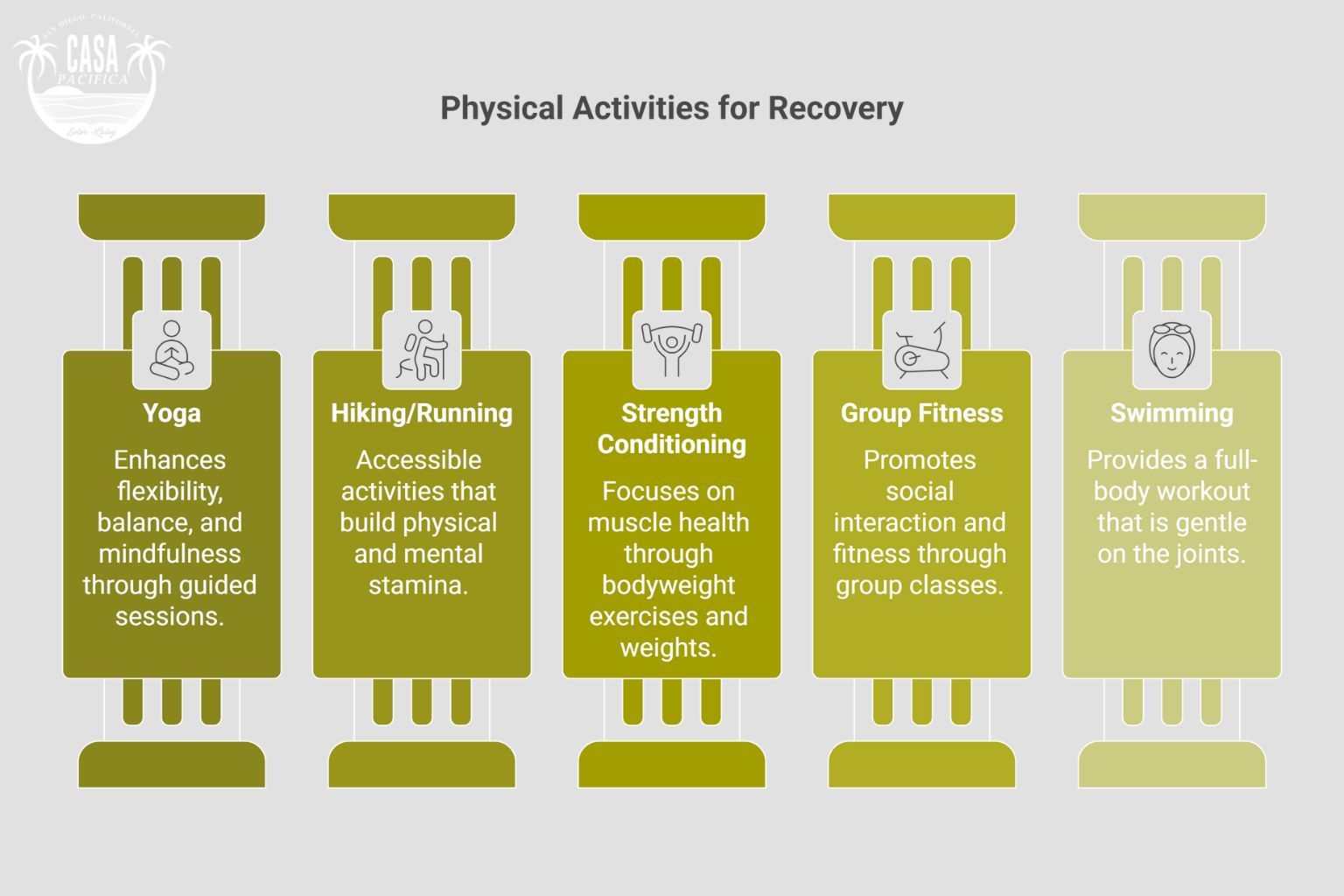
This ancient discipline can be practiced by anyone at various levels. It’s holistic in and of itself because you can incorporate meditation, reflection, and relaxation into the routines. Guided sessions are highly recommended for beginners because they can learn about breathing and mindfulness as they develop flexibility, balance, strength, and self-awareness. Yoga is an excellent starting point for anyone who wants to pursue other physical activities. If you choose to make it your primary activity, you can pursue more advanced asanas, poses, techniques, and challenging sequences.
Hiking, Walking, and Running
Anyone blessed with the ability to move around and cover distances can turn it into wellness. Like yoga, walking and running are very accessible activities. You can make them more interesting by planning nature hikes, long urban strolls, challenging runs, or easy jogging sessions. You can also adjust the distance, time, and terrain factors of these activities to increase their intensity. This can help you develop physical and mental stamina.
Strength Conditioning
If you enjoy chasing long-term goals that deliver gradual results, consider incorporating weights and resistance into your exercise routines. You don’t have to get an expensive membership to a glitzy gym for strength training. You can start with bodyweight exercises, calisthenics, and isometrics before advancing to the Pilates method and weightlifting. The wellness goal of strength conditioning is to keep your muscle tissue active and healthy. You don’t need a large space for bodyweight exercises and calisthenics. Plus, you can always increase speed, repetitions, and intensity to get a simultaneous cardio workout.
Group Fitness Sessions
Signing up for group fitness classes near you is great for promoting fitness and enjoying social connections. As mentioned above, The Phoenix project expanded from a Denver gym to a nationwide organization for sober people who enjoy exercising with their peers. In Southern California, for example, The Phoenix holds high-intensity interval training and cardio-boxing sessions at gyms around Los Angeles. Recovering addicts in the San Diego area, including those who are staying in an Encinitas sober living home, can enjoy local activities sponsored by the organization, from CrossFit to hot yoga, mindful mobility classes, pickleball, and indoor rock climbing. Many people in recovery enjoy dance fitness classes like Zumba and cardio hip-hop because they’re accustomed to the group dynamics of their counseling sessions.
Swimming
If you prefer a full-body workout that promotes mindfulness while being gentle on the joints, swimming can be your ticket to fitness. Swimming combines movement with cardiovascular exercise. Plus, it fosters strength conditioning as you work against the resistance of the water. Completing a few laps each week can help with increasing lung capacity and building endurance. Like walking and running, swimming allows you to adjust distance, time, and speed to challenge your fitness goals.
How Sober Living Environments Amplify Physical Activity
Environments that combine recovery housing with access to wellness resources create unique advantages. When you live in a home where gym access, outdoor recreation, group fitness, and supportive peers are built in, the barrier to movement disappears. You find yourself walking to a surfing break, hiking a local trail after meetings, attending a scheduled workout with peers, or simply enjoying a quiet morning stretch before the day begins. These built-in opportunities make physical activity natural, social, and enjoyable—rather than a chore.
Within such a setting you also gain accountability: daily routines, check-ins with house staff, peer engagement, and the expectation of participation. Over time, this becomes second nature. The chain of recovery, wellness, community, movement and accountability becomes a feedback loop where each element strengthens the other. The result is a lifestyle where physical health, mental clarity and emotional balance are integrated—not separate from sobriety, but part of it.
A Final Word on Movement as Recovery Medicine
If you are working on your sobriety and wondering how to fill the idle hours, rebuild your body, and restore your sense of self, physical activity is an indispensable piece of the puzzle. It’s not a distraction or optional luxury—it’s medicine. Every time you lace up your shoes, dive into the ocean, roll out your yoga mat, or push through a set of squats, you are investing in your recovery. You’re telling your body, “You matter. I’ll show up for you.” You’re telling your mind, “I am capable. I can rebuild.” You’re telling your soul, “I am worthy of this good life.”
In the context of recovery, movement becomes the visible, tangible expression of change. It’s where the internal transformation meets external action.
At Casa Pacifica, we support this process every day. We offer fitness access, outdoor adventures, yoga, hiking, beam breaks, surf sessions, and group activities designed to deepen wellness and reinforce recovery. If you’re ready to rebuild your body, your mind and your life—one strong day at a time—you may find that physical activity not only supports your sobriety, but becomes one of its greatest allies.
If you’re newly sober and you need help with avoiding relapse, call on the compassionate team at Casa Pacifica. Along with providing sober living housing for men in San Diego, we work with our individual residents to develop customized plans that integrate treatment, recovery coaching, aftercare, and recovery support. Our services also include sober companionship, sober coaching, safe transport, and mentorship for those who are recovering from addiction to alcohol and other drugs. For more information about our sober living facilities, call us today.

Related Posts

Why Are Boundaries Important in Addiction Recovery?
Emotional sobriety is the theoretical end of a journey undertaken to recover from addiction or substance abuse. To some extent, becoming emotionally sober is like

Staying Sober Through the Holidays: Tools from Casa Pacifica Residents
At Casa Pacifica Men’s Sober Livingin San Diego, residents have developed powerful tools and traditions that help them stay grounded, connected, and sober during the

How Does Structure Support Long-Term Addiction Recovery?
Final Gambit, one of the racehorses that finished at the top of the 2025 Kentucky Derby, was trained by a man on an addiction recovery

Staying Accountable in Addiction Recovery: Internal & External Strategies
The essence of accountability in recovery involves taking responsibility for actions, behaviors, and positions. In the Alcoholics Anonymous fellowship, accountability is a core factor in