
How Does Trauma Influence Addiction, and What Role Does Healing Play in Recovery?
Table of Content
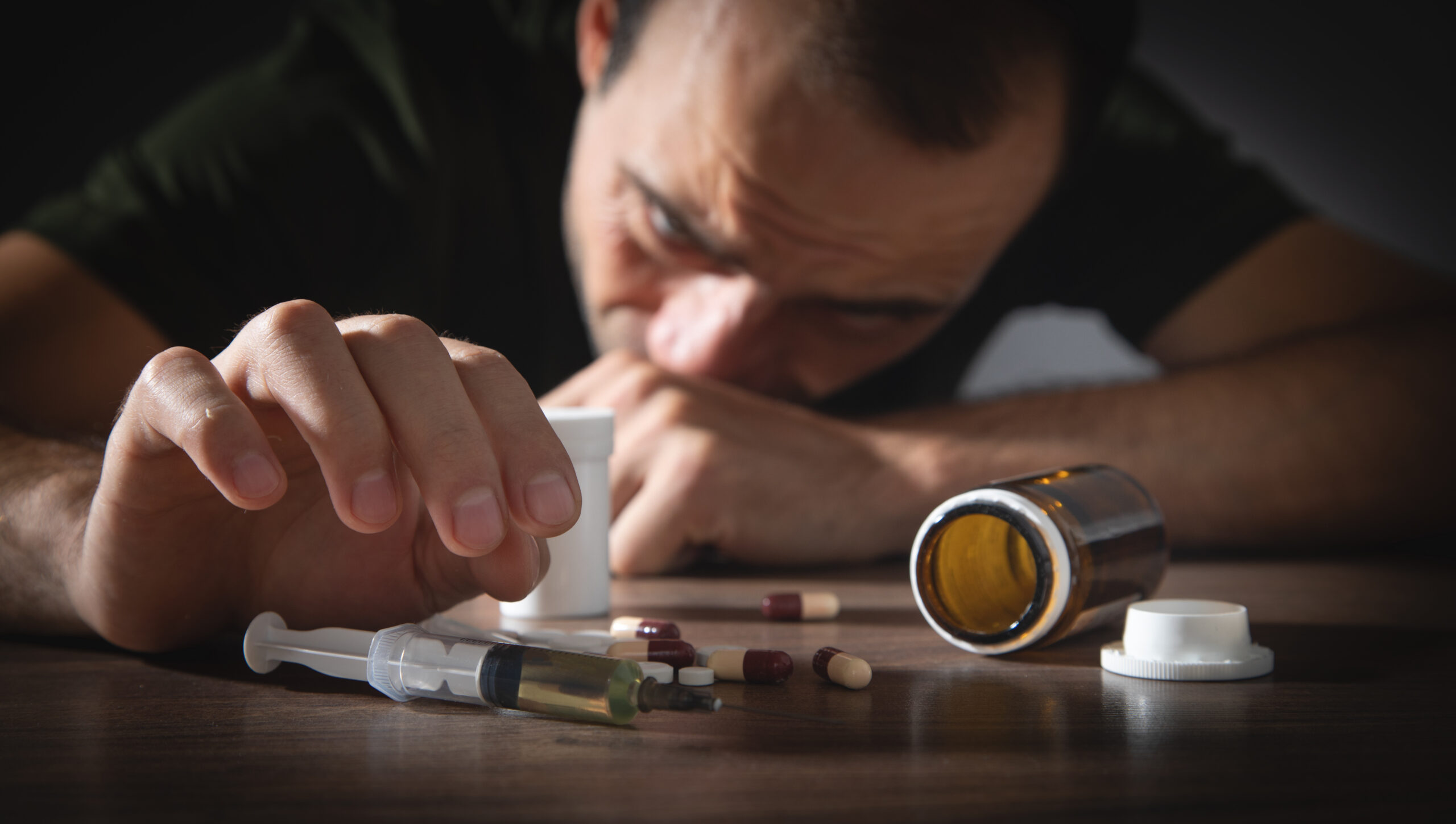
According to public health statistics published by the National Governors Association, almost 50 percent of people living with post-traumatic stress disorder (PTSD) in the United States fit the criteria for substance use disorder (SUD), underscoring the need for therapeutic healing during recovery. Without a trauma-informed treatment plan, PTSD-related issues can derail the SUD recovery process.
How Commonly Do Trauma and Addiction Intersect?
Behavioral researchers summarize the nexus between PTSD and SUD as a “dose-response” relationship. Essentially, the more trauma individuals endure, the exponentially higher their risk for addiction. A significant percentage of alcoholics and SUD patients can recall at least one major trauma episode influencing their dependence. The vulnerability is higher among adolescents, women, and combat veterans.
What Are Adverse Childhood Experiences?
Childhood trauma increases the likelihood of adolescent and adult SUD by 500 percent. The Centers for Disease Control and Prevention manage a longitudinal Adverse Childhood Experiences (ACEs) research program for understanding how early trauma precipitates SUD later in life. Case managers often order ACEs questionnaires and use their scores to formulate adequate treatment plans.
What Are Some Treatment Strategies?
As mentioned above, treating PTSD as an underlying condition is crucial for many patients. Integrated treatment addresses both PTSD and SUD simultaneously to prevent relapse and make recovery more effective. Trauma-informed care ensures patients can feel physically and emotionally safe. For instance, some combat veterans can benefit from transitional treatment strategies like staying in sober living homes because they can return to structured environments and life routines. Other strategies include cognitive behavioral therapy (CBT) to help patients regulate emotions and develop healthy coping mechanisms. Southern California families who are concerned about a loved one’s combined PTSD and addiction struggles may also benefit from consulting an intervention company Solana Beach residents trust to guide them toward integrated treatment.
Can Traumatic Memories Be Erased?
Advanced psychotherapeutic techniques like Eye Movement Desensitization and Reprocessing (EMDR) can be used to desensitize traumatic memories. In the 1990s, American magazines like Popular Science reported on EMDR as a futuristic therapy to erase the painful memories of combat veterans. In reality, the treatment reduces the need to self-medicate while fostering long-term healing. Although memories can never be fully eliminated, the emotional response can be modulated through EMDR, CBT, and lifestyle changes.
If you’re newly sober and you need help with avoiding relapse, call on the compassionate team at Casa Pacifica. Along with providing Solana Beach sober living housing, we work with our individual residents to develop customized plans that integrate treatment, aftercare, and recovery support. Our services include sober companionship, coaching, and mentorship for those who are recovering from addiction to alcohol and other drugs. For more information about our sober living facilities, call us today.
Frequently Asked Questions
What’s the PTSD mechanism of addiction?
+
It’s almost invariably self-medication. Traumatic events can alter brain chemistry, leaving you in a state of hypervigilance (anxiety) or emotional numbness (depression). Before derailing your life, SUD becomes a functional tool to escape intrusive memories and their negative effects, thus paving the way for chemical or psychological dependence.
Does medication work with PTSD and SUD?
+
For SUD, naltrexone or buprenorphine can reduce cravings and alleviate withdrawal symptoms. For PTSD, antidepressants help with managing anxiety and depression symptoms.
What happens when PTSD isn’t addressed in SUD recovery
+
When underlying PTSD emotional triggers aren’t addressed, they can cause SUD patients to relapse. The potential for self-medicating again is too high to ignore. In other words, failing to address PTSD can easily destabilize the recovery process.
Should SUD be treated before PTSD?
+
Some SUD treatment stages are more urgent than others—for example, detoxification from liquor and opiates. Integrated treatment to address both conditions simultaneously is always preferred.

Related Posts

The Family-Led Addiction Intervention Playbook: A Step-by-Step Guide to Approaching a Loved One with Compassion and Confidence
Family-led interventions can go a long way toward encouraging loved ones to take the first step toward recovery. When they’re professionally arranged and managed, interventions

Trauma and Relapse: Unpacking the Hidden Link Between Unresolved Pain and the Return to Substance Use
Chronic pain and post-traumatic stress disorder (PTSD) are often problematic in addiction recovery because they significantly increase relapse risks. Many patients under treatment for substance

Tailoring Addiction Interventions by Substance: Why Opioid, Alcohol, and Stimulant Interventions Each Require a Different Strategy
Interventions to treat addiction require distinct strategies because each substance targets different neurochemical pathways, creating unique physical risks, behaviors, and medical treatment needs. From a

Beyond Detox: Exploring Holistic Approaches to Long-Term Addiction Recovery
Detoxification is a clinical intervention ordered by healthcare professionals to clear toxins from patients who have developed neurochemical dependency. It’s designed to safely manage the